Finding a reliable customised fabric manufacturer and supplier is important for clothing brands, garment manufacturers and textile importers that need fabrics made according to their own designs. Whether your business requires a particular print, colour, texture or fabric finish, custom manufacturing helps you source materials that match your collection instead of depending entirely on ready-made designs.
For international buyers, customised fabric sourcing involves more than submitting an artwork file. The fabric base, printing method, colour accuracy, weight and finishing must work together to produce the required result.
Surat, Gujarat, is one of India's established textile manufacturing centres. Ajmera Fabric, a Surat-based wholesale fabric business associated with Ajmera Fashion Limited, offers fabric sourcing and textile development services for garment manufacturers, fashion businesses and wholesale buyers. Specific customisation requirements should be reviewed with its sourcing team.
What Is Customised Fabric Manufacturing?
Customised fabric manufacturing is the process of developing fabric according to a buyer's specific requirements rather than selecting an existing catalogue design.
Customisation may involve changing the print, colour, fabric construction, width, texture or finish, depending on the material and manufacturing capabilities.
For example, a clothing brand may need its own floral pattern printed on a lightweight fabric. A garment manufacturer may require a particular colour and fabric weight for a repeat collection. A modest fashion business may look for plain fabrics with a specified drape and opacity.
Each requirement needs a different technical approach. That is why international buyers should discuss the fabric base and intended garment before finalising the design.
Why Do International Clothing Brands Choose Custom Fabric Suppliers in India?
India has textile manufacturing centres with expertise in weaving, printing, dyeing, embroidery and fabric processing.
For clothing brands, this provides opportunities to explore different materials and develop fabrics around their own garment designs.
Custom fabrics can help businesses create distinctive collections, maintain selected colour references and develop textile finishes suited to their customers.
However, customisation capabilities vary between manufacturers. A supplier offering digital printing may not necessarily provide custom weaving, yarn development or specialised finishing.
Before selecting a supplier, buyers should confirm which processes are handled directly, which involve production partners and which specifications can be achieved.
Custom Fabric Manufacturing Services for Wholesale Buyers
Custom Fabric Printing
Custom printing allows clothing businesses to develop their own patterns, artwork and colour combinations.
Digital textile printing can be useful for detailed patterns, multicolour artwork and designs requiring accurate placement. Rotary printing may suit repeating patterns where the fabric base and production requirements support the process.
The printing method should be selected according to the fibre composition, desired finish, design complexity and production needs.
Before final approval, buyers should review print clarity, colour accuracy and the performance of the printed fabric.
Custom Fabric Colours and Dyeing
Colour consistency is important for garment manufacturers producing coordinated collections or repeat designs.
When developing a custom colour, buyers should provide an approved shade reference and identify the fabric base on which the colour will be used.
The same colour can appear different on polyester, viscose or other fibres because fabric composition, surface texture and dyeing processes affect the final result.
A lab dip or approved colour sample can help buyers and manufacturers agree on the expected shade before production.
Custom Fabric Weaving and Construction
Fabric construction influences its strength, texture, drape and appearance.
Some manufacturing requirements involve a particular weave, yarn type or fabric weight rather than a decorative print.
For example, a shirt manufacturer may need a stable woven material, while a dress manufacturer may prefer a softer fabric with flowing movement.
Buyers seeking custom weaving should provide technical specifications or an approved reference sample so the manufacturer can evaluate the requested construction.
Custom Embroidered Fabrics
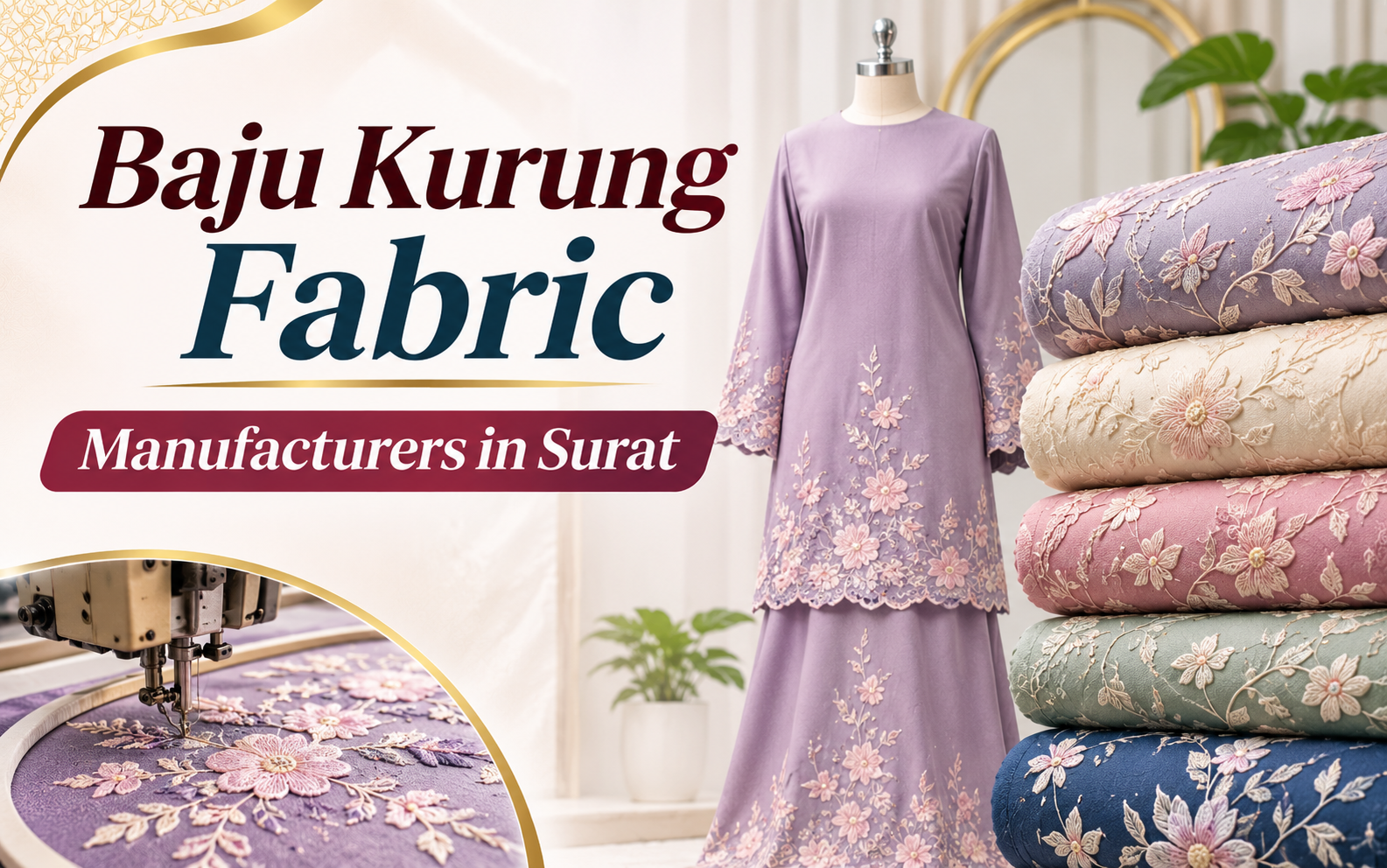
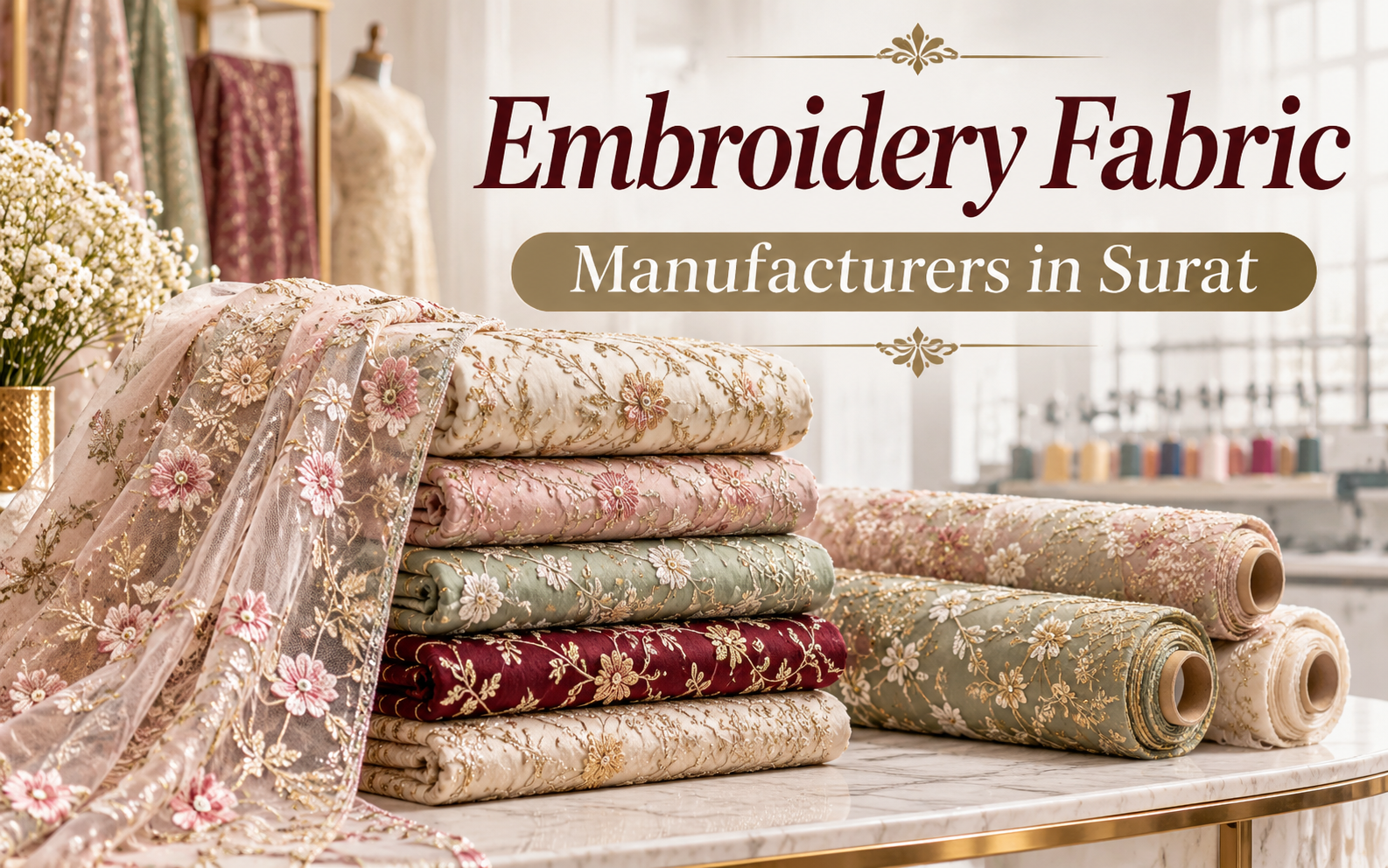
Embroidery can be used to develop decorative textiles for occasion wear, modest fashion, dresses and traditional clothing.
Custom embroidery may involve particular motifs, thread colours, design placement and decorative finishing.
The base fabric must be suitable for the embroidery process. Lightweight materials may require additional support, while heavier designs can affect the garment's drape.
Businesses can explore embroidered maslin fabric options when considering decorative fabric development.
Which Fabrics Can Be Used for Custom Printing and Development?
The right fabric base depends on the garment, desired appearance and selected processing method.
Custom Polyester Fabrics
Polyester is widely used for garment manufacturing because it is available in different constructions, weights and finishes.
Suitable polyester fabrics can support printed designs for dresses, shirts, kurtis and selected fashion garments.
Explore the wholesale polyester fabric collection to understand the available material options.
Buyers should confirm whether their selected polyester quality supports the desired custom print or finish before beginning development.
Custom Viscose Fabrics
Viscose fabrics are often selected for garments requiring a soft feel and fluid drape.
They can be considered for custom printed dresses, kaftans, tunics and other relaxed clothing designs.
Viscose fabric options can be reviewed according to composition, fabric weight, width and finishing requirements.
Colour development and printing should be tested on the actual fabric base because different viscose constructions can produce different results.
Custom Linen-Look Fabrics
Linen-look fabrics may be suitable for casual shirts, resort wear and contemporary fashion collections requiring a textured surface.
Some of these materials contain polyester or other blended fibres instead of natural linen.
International buyers should verify fibre composition before choosing a linen-look fabric for customisation.
Custom Stretch and Blended Fabrics
Stretch and blended fabrics can be considered for garments requiring flexibility, shape retention or particular comfort characteristics.
However, printing and finishing processes must be compatible with the selected fabric construction.
Buyers can explore stretch fabric options and discuss their required print or finishing with the sourcing team.
Customised Fabric Manufacturer in Surat, India
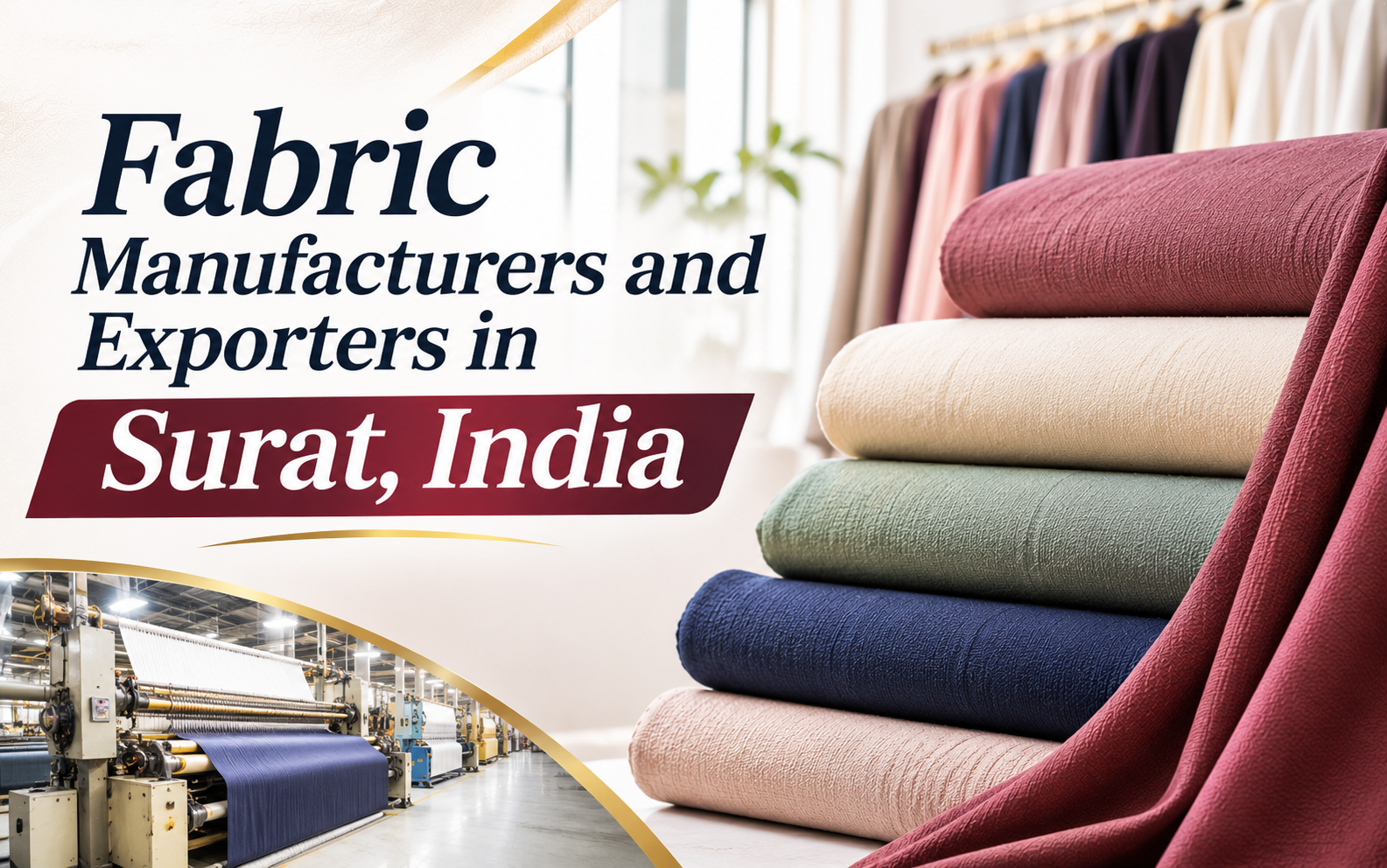
Surat has a large network of textile weaving, printing, processing and wholesale businesses.
For international garment manufacturers, working with a Surat-based textile supplier can provide access to different fabric bases and manufacturing processes.
Ajmera Fabric offers wholesale fabric sourcing from Surat, with fabric development and processing capabilities described through its business operations.
Buyers interested in custom colours, prints or selected fabric constructions can submit their technical requirements for evaluation.
The availability of a particular custom fabric depends on the material, design, required manufacturing process and technical feasibility.
Custom Fabric Manufacturing for UAE and Saudi Arabia Buyers
Garment manufacturers and clothing brands in Dubai, Abu Dhabi, Riyadh, Jeddah and other Gulf markets may require customised fabrics for modest fashion, dresses, kaftans, jalabiyas and decorative garments.
For these businesses, fabric selection should begin with comfort, opacity, drape and intended garment use.
A lightweight printed fabric may suit a flowing kaftan, while a decorative jalabiya may require a selected embroidered textile. An everyday abaya may need a different plain fabric with greater coverage.
Buyers should not assume that every polyester or viscose fabric is suitable for these garments.
When submitting a custom fabric request, Gulf garment businesses should provide the desired material specifications, colour references and finished garment requirements.
Custom Printed Fabric Suppliers for USA, UK and European Brands
Clothing brands in the USA, UK and European markets may require custom fabrics for dresses, shirts, casual wear, occasion wear and seasonal collections.
For these buyers, consistent design reproduction and accurate material specifications are important, especially when developing repeat collections.
International businesses should also consider the textile labelling, safety and testing requirements applicable to their destination markets.
If a collection requires a particular fibre composition or finish, this should be documented before the fabric is developed.
Garment manufacturers should approve the production sample and confirm relevant performance standards rather than relying only on digital artwork or photographs.
How Does the Custom Fabric Development Process Work?
Custom fabric development usually begins with a clear description of the final garment and the material required.
The buyer first shares the fabric composition, design reference, intended use, desired weight and finishing requirements.
Next, the manufacturer or sourcing team reviews the requested development and identifies a suitable fabric base or production approach.
For custom colours, a shade reference or lab dip may be prepared. For printed fabrics, a sample helps evaluate artwork clarity, colour reproduction and fabric feel.
Once the sample meets the agreed requirements, the buyer and supplier can confirm the final specifications and production arrangements.
Throughout this process, communication is important. Changes to the fabric base, printing process or finish can influence the final result.
What Should Buyers Check Before Approving Custom Fabrics?
The first consideration is fabric composition. The selected fibres affect comfort, garment performance and the processing methods that can be used.
Buyers should also check GSM, usable width, drape and texture to make sure the material works for the intended garment.
For custom printed textiles, colour consistency, print sharpness and design repeat are important. For dyed fabrics, the approved shade should be compared with the finished sample under suitable lighting.
Depending on the material, testing may include shrinkage, colour fastness, seam performance and fabric stability.
For embroidered fabrics, check the stitching quality, base material and placement of decorative elements.
A physically approved sample and written specifications can reduce misunderstandings between international buyers and manufacturers.
Custom Fabric Pricing and Export Arrangements
The cost of customised fabric depends on the fabric base, construction, printing method, design complexity and finishing requirements.
A simple colour development may involve different processes from producing a detailed multicolour print or embroidered fabric.
For international buyers, commercial quotations should also clarify sampling, packaging, shipping arrangements and applicable freight responsibilities.
The agreed Incoterm and delivery destination should be recorded clearly so both parties understand which costs and responsibilities apply.
Comparing complete technical and commercial quotations is more useful than comparing fabric prices without considering the production requirements.
Why Work with Ajmera Fabric for Custom Textile Sourcing?
Ajmera Fabric operates from Surat and focuses on wholesale fabric sourcing for garment manufacturers, textile businesses and international buyers.
Its fabric range includes polyester, viscose, blended and embroidered materials for different clothing applications.
For businesses seeking custom development, the company can be approached to review requirements involving fabric bases, colour references, prints and suitable finishing options.
Buyers should confirm the feasibility of their selected customisation, sampling requirements and export arrangements directly with the sourcing team.
How to Request Customised Fabric from India
If your business needs customised fabric, begin by preparing an accurate description of the required material.
Share the preferred fabric composition, GSM, width, artwork, colour reference and garment application. If you already have a physical fabric sample, its specifications can help the supplier understand your expectations.
Explore the available fabrics through the Ajmera Fabric wholesale catalogue and identify a suitable starting material.
Next, submit your customisation requirements through the wholesale quotation page.
The sourcing team can review the request, clarify available options and discuss the technical and commercial details.
Choosing a Customised Fabric Manufacturer and Supplier for Your Business
Choosing the right customised fabric manufacturer and supplier starts with knowing exactly what your garment collection requires.
A fashion brand may need a distinctive printed fabric, while a garment factory may prioritise a particular material composition and finish. A textile wholesaler may be looking for designs suited to its customers' preferences.
For each business, fabric quality, approved samples, clear communication and manufacturing feasibility are important.
Surat remains an established sourcing location for textile development and processing. Ajmera Fabric provides wholesale fabric options and a channel for international businesses to discuss custom fabric requirements.
Explore Ajmera Fabric or contact its sourcing team to discuss fabrics for your next garment collection.
Frequently Asked Questions
1. What does a customised fabric manufacturer and supplier do?
A customised fabric manufacturer develops fabrics according to agreed specifications, which may include composition, colour, print, construction or finishing. The available services depend on the manufacturer's production capabilities.
2. Where can international buyers find custom fabric manufacturers in India?
International buyers can explore textile manufacturing centres such as Surat for fabric printing, weaving, processing and wholesale sourcing. Suppliers should be evaluated according to their actual customisation capabilities.
3. Can I order fabric with my own print or design?
Yes, many textile manufacturers offer custom print development. Buyers should share their artwork, fabric requirements and colour references so the supplier can assess feasibility and prepare appropriate samples.
4. Which fabrics are suitable for custom printing?
Polyester, viscose, cotton and selected blended fabrics can support different printing processes. The appropriate method depends on the fibre composition, fabric construction and desired result.
5. Does Ajmera Fabric support custom fabric development?
Ajmera Fabric describes custom colour, print and selected weave development capabilities. Buyers should contact the sourcing team to confirm whether their specific fabric requirements can be accommodated.
6. Can overseas buyers request custom fabrics for abayas and kaftans?
Yes, garment manufacturers can discuss custom fabrics for modest wear, subject to material and production feasibility. Drape, opacity, comfort, colour and finishing should be checked before approving a fabric.
7. How can I request a customised fabric quotation from India?
Visit Ajmera Fabric's quotation page and share the desired material, artwork, technical specifications, purchasing requirements and destination country.