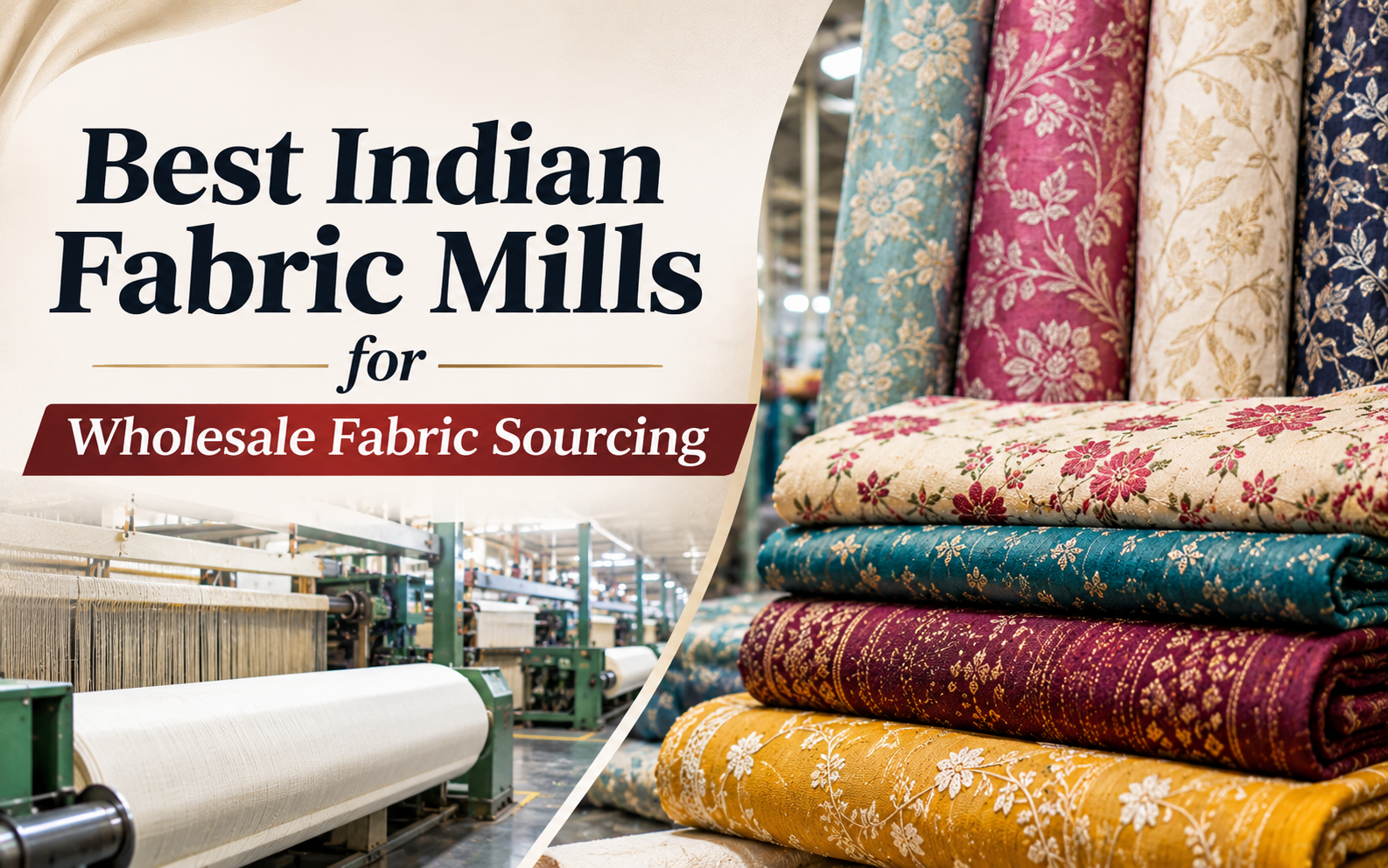
Indian fabric mills wholesale sourcing is an important option for international garment manufacturers, clothing brands and textile importers looking for reliable fabric production in India. From printed polyester and viscose to blended and embroidered fabrics, Indian textile manufacturers offer different materials for fashion and garment businesses.
For overseas buyers, choosing a fabric mill is about more than finding competitive wholesale prices. The quality of weaving, printing, finishing and fabric consistency can directly affect the final garments and future production orders.
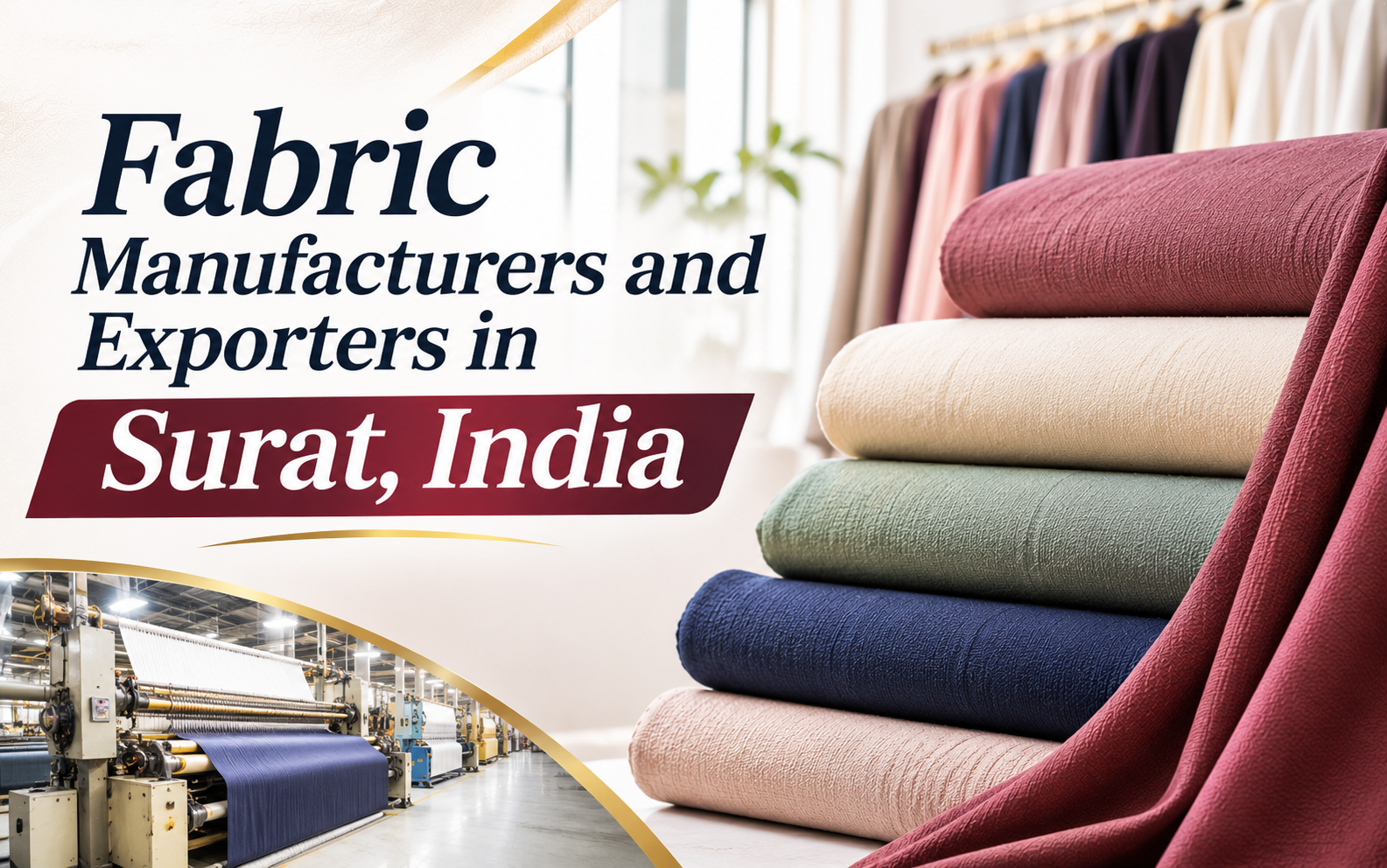
Surat, Gujarat, is one of India's established textile manufacturing centres. Companies such as Ajmera Fabric, a division of Ajmera Fashion Limited, offer wholesale fabric sourcing supported by weaving, printing, embroidery and finishing operations.
Why Do International Buyers Source Wholesale Fabrics from Indian Mills?
India has a well-developed textile industry with manufacturers working across different fabric types, yarns, weaving methods and finishing processes.
For international buyers, this creates opportunities to source materials suitable for different clothing collections from a single country.
A garment manufacturer may require lightweight printed fabric for dresses, while a clothing brand may prefer textured materials for casual wear. A textile distributor may need several fabric qualities to serve different customers.
Indian fabric mills support these requirements through different production processes and material specialisations.
However, not every mill produces every type of fabric. Buyers should compare suppliers based on their actual manufacturing capabilities, available materials and technical specifications.
Major Textile Manufacturing Hubs in India
India's textile industry operates across several manufacturing regions. Each location has developed expertise in particular types of textile production.
Surat – Synthetic, Printed and Embroidered Fabrics
Surat is widely associated with polyester, synthetic fabrics, textile printing, processing and embroidery.
The city's manufacturing network includes weaving facilities, dyeing units, printing operations and wholesale textile businesses.
International buyers sourcing printed polyester, viscose blends and decorative fabrics often explore Surat because of its established textile production ecosystem.
Ahmedabad – Cotton and Textile Processing
Ahmedabad has a long history of cotton textile manufacturing and textile processing.
Buyers looking for cotton-based fabrics, woven materials and specialised textile processing can explore manufacturers operating in the Ahmedabad region.
Tiruppur – Knitted Fabrics and Apparel Production
Tiruppur, Tamil Nadu, is an important centre for knitted fabrics and garment manufacturing.
It is particularly relevant to businesses involved in T-shirts, knitwear and other knitted apparel categories.
Bhilwara – Suiting and Blended Fabrics
Bhilwara, Rajasthan, is known for textile manufacturing, particularly suiting and blended woven fabrics.
The right sourcing location depends on the material required and the finished garment being manufactured.
How Do Indian Fabric Mills Manufacture Wholesale Fabrics?
Understanding the fabric manufacturing process helps international buyers evaluate suppliers more effectively.
Fabric Weaving
Weaving creates fabric by interlacing yarns in a selected structure. The choice of yarn and weave influences the fabric's strength, texture, appearance and performance.
Different fabric constructions are used for shirts, dresses, uniforms, ethnic wear and other garments.
Fabric Dyeing and Printing
After weaving, fabric may be dyed or printed depending on the required design.
Digital printing is useful for detailed textile artwork and different print effects. Rotary printing is commonly used for repeating patterns in fabric production.
The quality of printing and dyeing can influence the final garment's appearance and colour consistency.
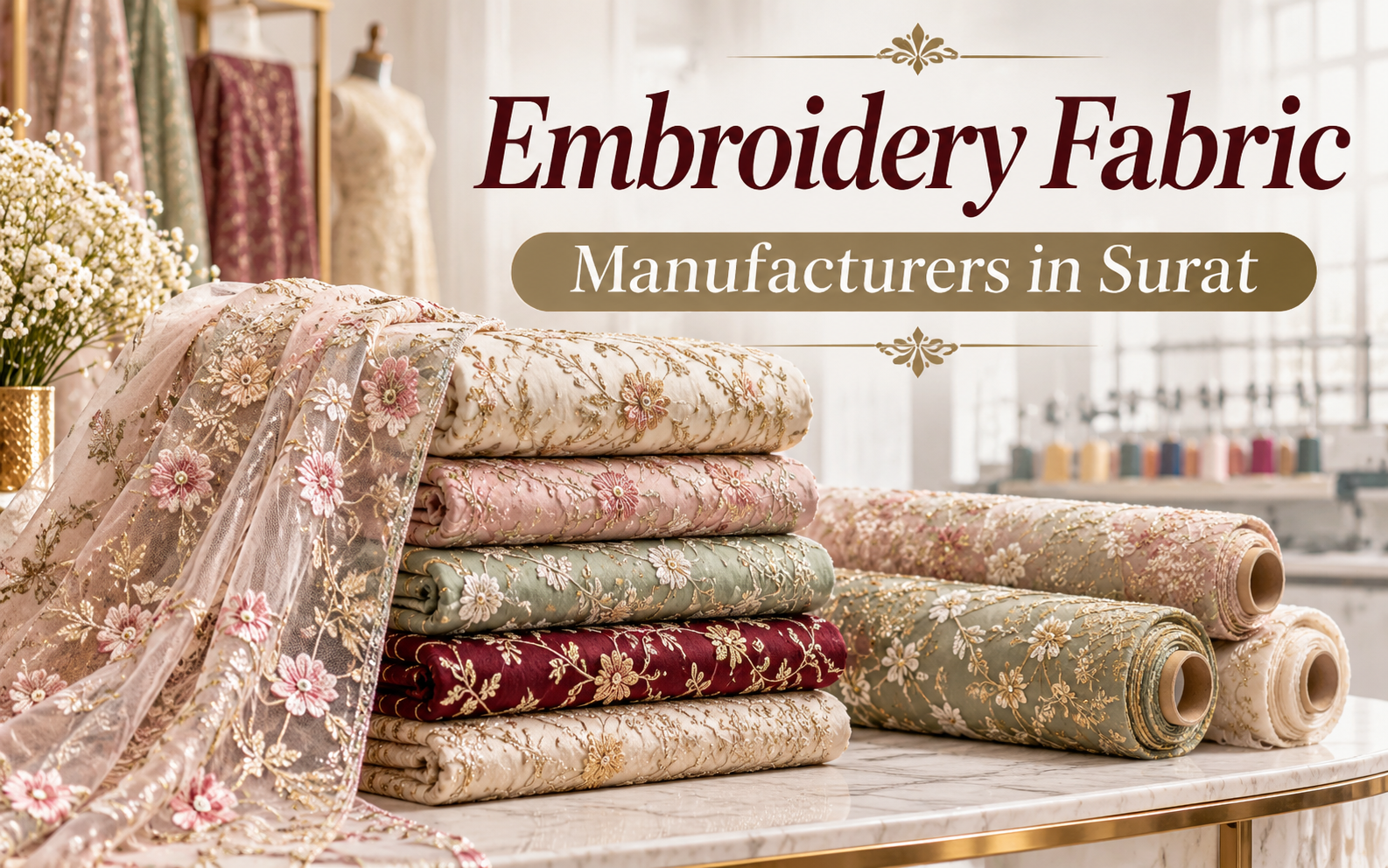
Embroidery and Decorative Finishing
Some fabric mills and textile processors offer embroidery for decorative clothing materials.
Computerised embroidery can create thread, zari and sequin designs on suitable fabric bases.
These materials are relevant for festive fashion, dresses, traditional clothing and selected occasion wear collections.
Fabric Finishing and Quality Checks
Finishing helps achieve the required fabric width, feel and surface appearance.
Before purchasing, international buyers should review fabric weight, composition, width, shade consistency and other specifications relevant to their garment production.
Testing requirements should be agreed upon with the supplier, especially when fabrics are intended for particular international markets.
Ajmera Fabric – Wholesale Fabric Manufacturing in Surat, India
Ajmera Fabric is a Surat-based fabric manufacturer and wholesale supplier operating as a division of Ajmera Fashion Limited.
The company's fabric manufacturing operations cover weaving, digital and rotary printing, computerised embroidery and textile finishing.
Its manufacturing network includes power loom and handloom partnerships for polyester, viscose and blended fabrics.
The company also provides export documentation assistance, third-party inspection coordination and container consolidation support for international buyers.
For businesses comparing Indian fabric mills, these capabilities are useful when evaluating material production, quality requirements and overseas sourcing arrangements.
Wholesale Fabric Collections Available from Indian Textile Suppliers
Choosing the right material is one of the most important parts of wholesale fabric sourcing.
Different fabrics offer different characteristics, and buyers should match those characteristics to their finished products.
Polyester Fabrics for Wholesale Garment Production
Wholesale polyester fabrics are used across different apparel categories, including dresses, shirts, kurtis and everyday clothing.
Polyester can be manufactured with different textures, weights and printed finishes depending on its construction.
Ajmera Fabric's polyester collection includes printed qualities such as Chanderi Printed Polyester Fabric.
Garment manufacturers should evaluate the material's GSM, width, drape and finishing requirements before selecting a fabric for production.
Viscose Fabrics for Dresses and Women's Clothing
Viscose fabrics are often selected for clothing that requires a soft feel and flowing drape.
They can be suitable for dresses, tops, tunics and other women's clothing collections.
Ajmera Fabric offers printed viscose qualities such as Daisy Printed Viscose Fabric.
International buyers should confirm fibre composition, fabric weight and care requirements before using viscose in garment manufacturing.
Nylon and Blended Fabrics
Nylon and blended fabrics offer different textures, finishes and material characteristics for selected fashion applications.
These materials may be suitable for garment linings, decorative clothing and other apparel designs depending on their construction.
Buyers should not assume that a product category describes its exact fibre composition. The individual fabric specification is the most reliable reference.
Linen-Look Fabrics for Casual Wear
Linen-look fabrics can be considered for relaxed shirts, dresses and contemporary clothing collections.
These fabrics may offer a textured appearance suitable for casual fashion.
However, linen-look materials may contain polyester or other fibres rather than natural linen. Buyers should check the actual composition for accurate garment labelling.
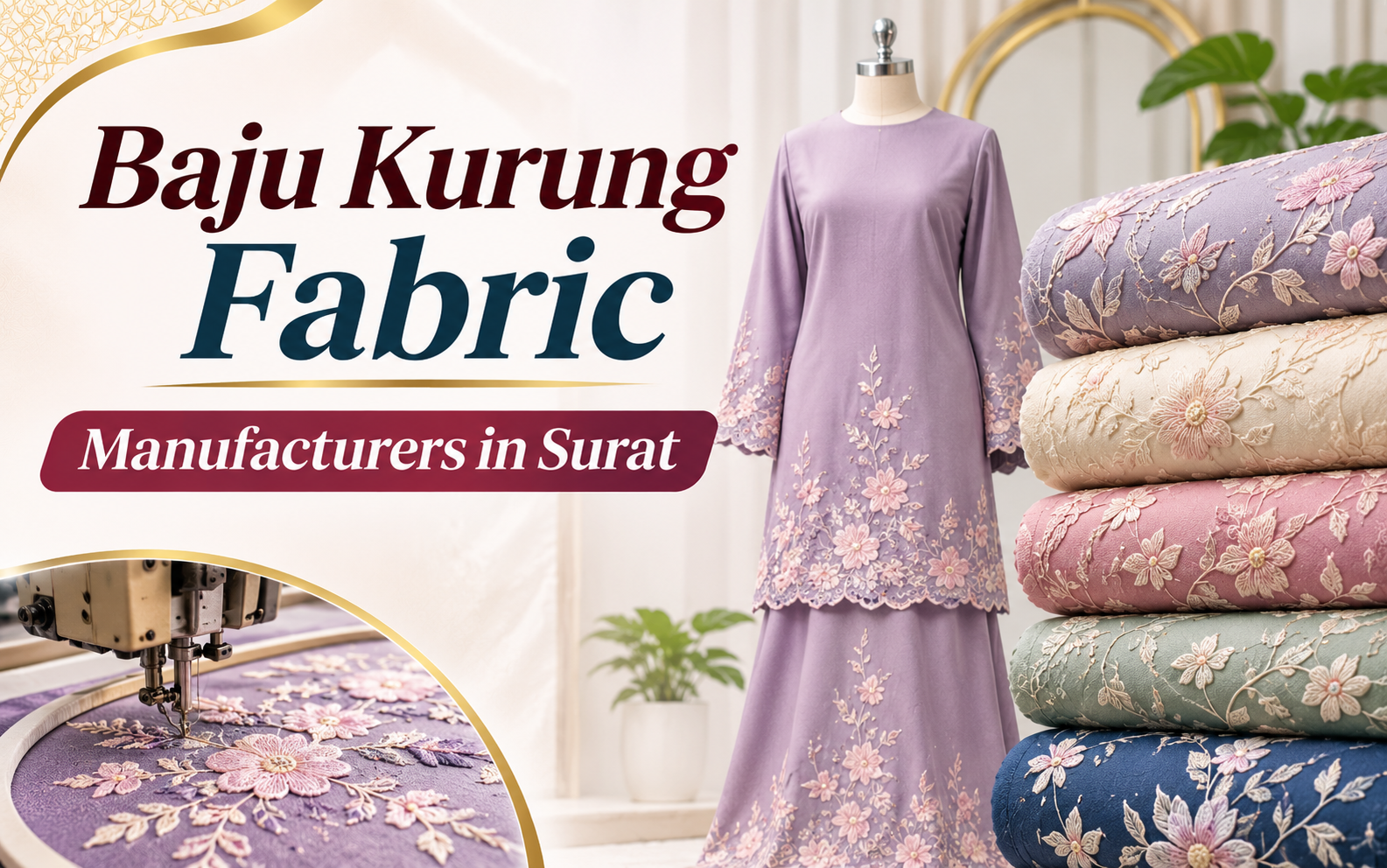
Embroidered Fabrics for Occasion Wear
Embroidered fabrics are relevant for fashion businesses developing decorative clothing collections.
Ajmera Fabric offers materials such as Rajvansh Embroidered Malai Satin Fabric.
Buyers should consider the embroidery quality, base material, usable width and design placement before selecting decorative fabrics for garments.
Indian Fabric Mills Wholesale Sourcing for UAE and Saudi Arabia
Garment manufacturers and textile wholesalers in the UAE, Saudi Arabia and other Gulf countries may require fabrics for abayas, kaftans, jalabiyas, dresses and modest fashion.
Fabric selection for these garments depends on the desired drape, comfort, opacity, climate and finishing requirements.
Lightweight printed fabrics may be suitable for selected loose-fitting garments, while embroidered materials may be considered for occasion wear.
Buyers sourcing from Indian fabric mills should choose materials according to their actual garment designs rather than relying only on product photographs.
Surat-based fabric collections can provide sourcing options for these applications, subject to fabric suitability and availability.
Wholesale Fabric Sourcing for USA, UK and European Clothing Brands
Clothing brands in the USA, UK and European countries often require clear fabric specifications when working with international suppliers.
For garment manufacturing, details such as fibre composition, GSM, width, colour consistency and shrinkage can affect production quality.
Buyers should also consider applicable textile labelling, product safety and testing requirements in their destination markets.
For example, a fabric selected for casual dresses may require a different weight and drape from one intended for shirts or structured garments.
Indian fabric mills and suppliers can be evaluated based on their ability to provide suitable materials and accurate technical information.
How to Choose the Best Indian Fabric Mill for Wholesale Sourcing
The best fabric mill for your business is one that can supply the right material with consistent specifications and clear commercial terms.
Start by identifying whether the supplier manufactures the fabric, processes it, trades it or provides a combination of these services.
This distinction matters because weaving, dyeing, printing and embroidery may involve different production facilities.
Next, review the fabric's composition, weight, usable width, finishing and intended application.
Samples can help buyers evaluate texture, drape and appearance more accurately than catalogue photographs.
If your clothing business requires repeat production, discuss colour consistency, design continuity and the agreed quality standards.
Before importing, clarify the shipping terms, packing requirements, documentation and responsibilities for freight and customs clearance.
These checks help businesses compare Indian fabric mills based on practical sourcing requirements rather than marketing claims.
Can Indian Fabric Mills Develop Custom Prints and Colours?
Some Indian fabric manufacturers offer custom textile development for clothing brands and garment businesses.
This may include new prints, selected colour variations and fabric finishing requirements.
Ajmera Fabric describes custom colour, print and weave development capabilities within its Surat manufacturing operations.
International buyers should share clear artwork, colour references, fabric specifications and intended garment applications when discussing custom development.
Before confirming production, it is important to approve the relevant samples and agree on the required technical standards.
How Can International Buyers Source Wholesale Fabric Directly from India?
Wholesale fabric sourcing should begin with a clear understanding of the material your business needs.
Identify the fabric composition, weight, width, finish and intended clothing application.
Next, explore the Ajmera Fabric wholesale catalogue and compare available fabric categories and products.
Share your requirements with the sourcing team, including your destination country, preferred materials and expected production schedule.
For selected fabrics, request product specifications, samples and relevant quality information before finalising the purchase.
International buyers can use the Ajmera Fabric quotation page to discuss wholesale pricing, available fabrics and export arrangements.
Choosing Indian Fabric Mills for Long-Term Wholesale Supply
Working with an Indian fabric mill can be useful for garment manufacturers, textile wholesalers and clothing brands seeking materials for ongoing production.
However, a successful sourcing relationship depends on consistent fabric specifications, communication and realistic delivery planning.
Rather than selecting a supplier based only on its catalogue size or wholesale rates, buyers should evaluate how well the available fabrics match their business requirements.
Ajmera Fabric provides wholesale polyester, viscose, blended and embroidered fabrics from Surat, supported by textile manufacturing and export sourcing services.
For businesses exploring Indian fabric mills wholesale sourcing, the company offers a direct channel to review fabric collections and discuss international procurement requirements.
Visit Ajmera Fabric or contact the sourcing team to explore available materials for your garment manufacturing business.
Frequently Asked Questions
1. Where can international buyers find Indian fabric mills for wholesale sourcing?
International buyers can explore textile manufacturing centres such as Surat, Ahmedabad, Tiruppur and Bhilwara. The right location depends on the type of fabric required. Ajmera Fabric offers wholesale fabric sourcing from Surat.
2. Which Indian city is best for wholesale fabric sourcing?
Surat is a major centre for synthetic, printed and embroidered fabrics. Ahmedabad is associated with cotton textiles, Tiruppur with knitwear and Bhilwara with suiting and blended woven fabrics.
3. What fabrics are available from Indian wholesale textile mills?
Indian suppliers offer polyester, viscose, cotton, linen, silk, nylon blends, knitted fabrics and embroidered materials. Product availability depends on the manufacturer and its specialisation.
4. Can international buyers source fabrics directly from Surat manufacturers?
Yes. International businesses can contact Surat manufacturers and wholesale suppliers for fabric sourcing. Buyers should confirm product specifications, quality standards and export arrangements before purchasing.
5. Does Ajmera Fabric manufacture wholesale fabrics in India?
Ajmera Fabric operates from Surat and provides weaving, printing, embroidery, finishing and wholesale fabric supply services through its manufacturing operations and partnerships.
6. Can Indian fabric mills supply custom printed fabrics?
Some Indian fabric manufacturers provide custom textile development. Ajmera Fabric offers custom colour, print and selected weave development for suitable manufacturing requirements.
7. How can I contact an Indian wholesale fabric supplier?
Visit ajmerafabrics.com to explore fabric collections or submit your sourcing requirements through the company's quotation form.